
THE PRODUCTS – European organic extra virgin olive oil
European organic extra virgin olive oil
From European soil, with tradition, quality and authenticity.
Characteristics
European organic extra virgin olive oil
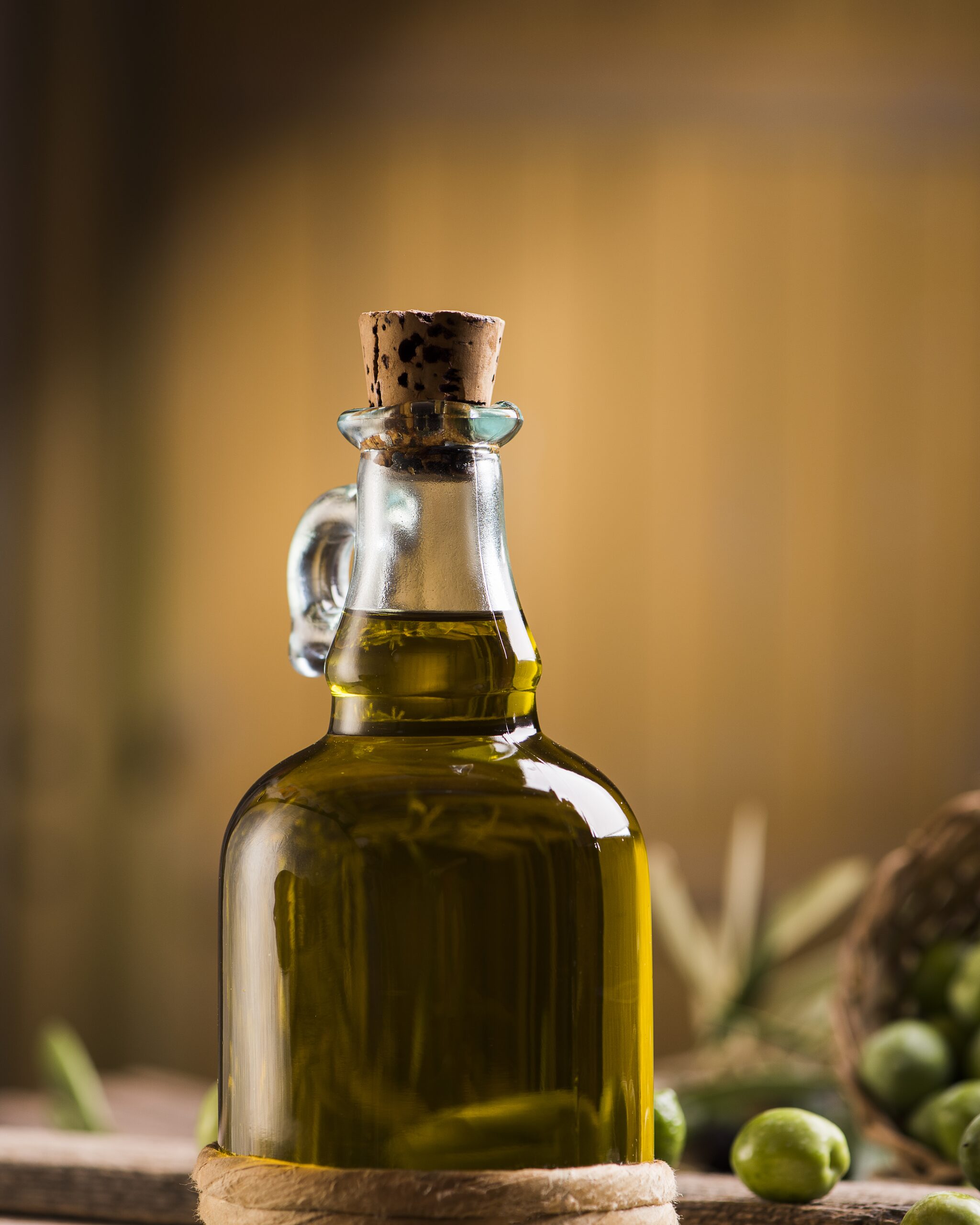
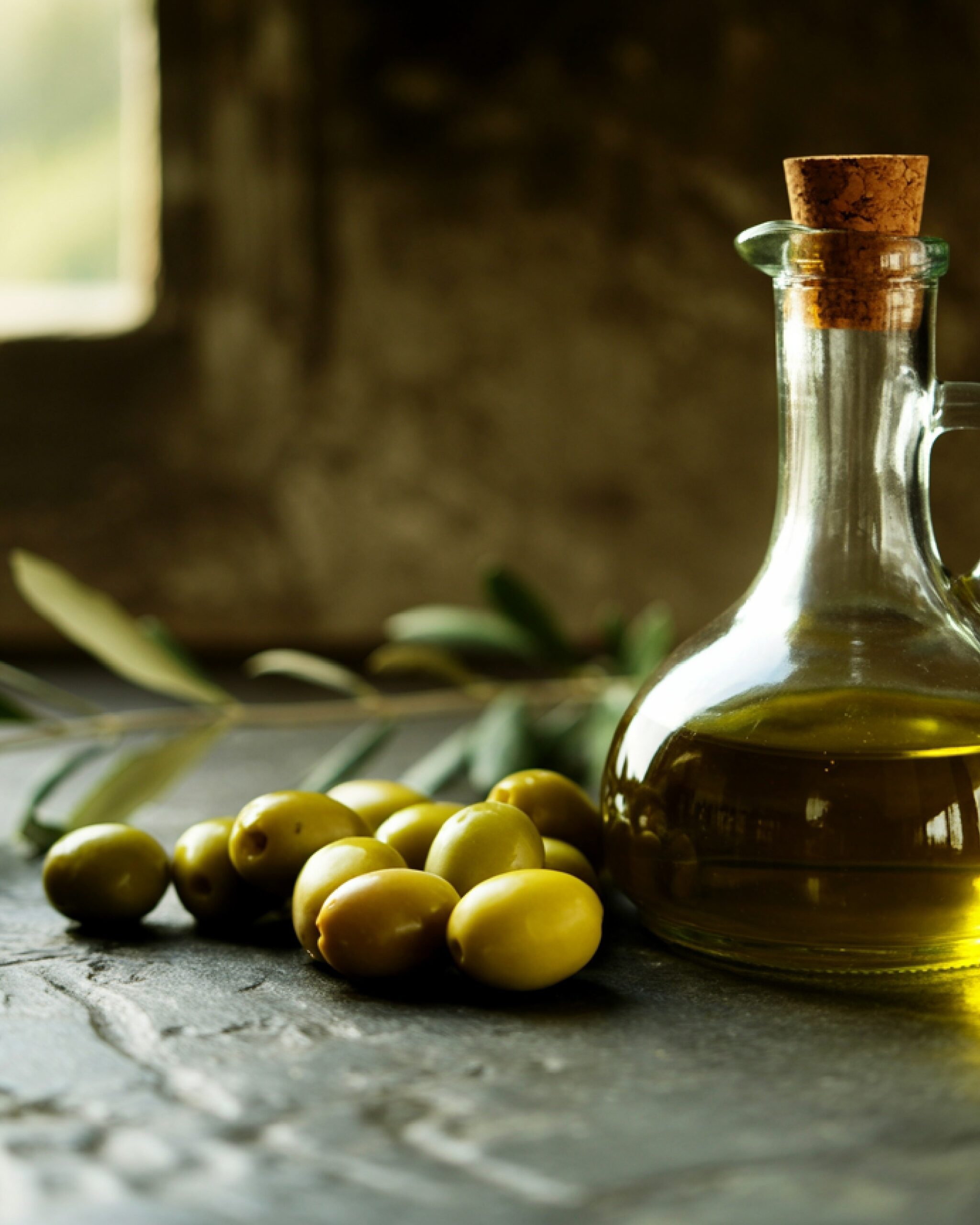
European organic extra virgin olive oil combines a long olive-growing tradition with the rules of the European Union for organic farming.
It is produced using certified organic practices and forms part of the system of official controls and certification described in the section on European organic production.
With its distinct flavour identity and aroma, olive oil is part of the European gastronomic tradition. It is used both in traditional recipes and in contemporary gastronomic creations.
“Extra virgin” is a legally defined marketing category for olive oil in the European Union, not a descriptive adjective. The categories and labelling rules are set out in the Union’s legislation on marketing standards.
Expresses the quality and authenticity of European organic production.
How it is produced
Certified practices under the EU organic framework
European organic extra virgin olive oil is produced under the European Union’s regulatory framework for organic farming. The certified practices it requires respect natural processes, promote biodiversity and contribute to the sustainable management of natural resources.
The framework covers the whole chain, from cultivation in the olive grove to the final product.
European organic production is governed by Regulation (EU) 2018/848. See European organic production for the rules, the official controls and the principles they are based on.
Quality and safety
Controls, certification and traceability
European organic extra virgin olive oil is covered by the system of official controls and certification that applies to organic production in the European Union. The system verifies compliance with the standards of quality, safety and reliability in force across the Union.
Full traceability is a founding principle of European agri-food production: it makes it possible to follow the product at every stage, from cultivation to the final consumer.
European organic production is governed by Regulation (EU) 2018/848. See European organic production for the rules, the official controls and the principles they are based on.
MARKETING STANDARDS
Categories, quality parameters and conformity checks
EU law defines eight categories of olive oils and olive-pomace oils. To be marketed under a given category, an oil’s characteristics must respect the limits established for that category under EU rules, and it is the responsibility of the operators and the EU Member States to ensure that this is the case. Of the eight, only four may be sold directly to consumers at retail level.
The categories are graded on two sets of parameters: physico-chemical characteristics, such as the acidity level, peroxide index, fatty acid content and sterols composition; and organoleptic (sensory) characteristics, such as the fruitiness and the absence of organoleptic defects. Within the three virgin categories, extra virgin olive oil is the category with the highest quality: from an organoleptic point of view it has no defects and is fruity, and its acidity level must not exceed 0.8%.
Commission Delegated Regulation (EU) 2022/2104 sets out the characteristics of olive oils and establishes the limits for the quality and purity parameters of each category, together with rules on packaging and on mandatory and optional labelling. Commission Implementing Regulation (EU) 2022/2105 defines the methods of analysis to be used when assessing whether an oil conforms to its declared category, and puts in place rules for sampling. Tasting panels approved by EU countries must verify the organoleptic characteristics of virgin olive oils.
Under that legal framework, EU countries have to perform annually a minimum number of conformity checks, proportionate to the volume of olive oil marketed in their country. Those checks verify that the labelling and packaging comply with the legal requirements and that the category of the oil conforms to the declared category. Checks take account of risk factors including the category, the period of production, packaging operations, storage, country of origin or destination, means of transport, the volume of the lot, the findings of previous checks and consumer complaints. Depending on the seriousness of an irregularity, Member States take action including withdrawal of the product from the market, fines or prosecution.
General food law covers all stages of the production, processing and distribution of food, and the labelling of olive oil must also comply with the general food labelling rules established in Regulation (EU) No 1169/2011.
Source: European Commission, Olive oil; Regulation (EU) No 1308/2013, Annex VII, Part VIII; Commission Delegated Regulation (EU) 2022/2104; Commission Implementing Regulation (EU) 2022/2105; Regulation (EU) No 1169/2011.
National food-based dietary guidelines
Food-based dietary guidelines are issued by national authorities. The guidelines below are those of this programme’s target markets, France and Germany.
For guidance on balanced, healthy diets, please consult DGE — Gut essen und trinken (Germany): dge.de
For guidance on balanced, healthy diets, please consult Manger Bouger — Programme national nutrition santé, Santé publique France (France): mangerbouger.fr
In the kitchen
-
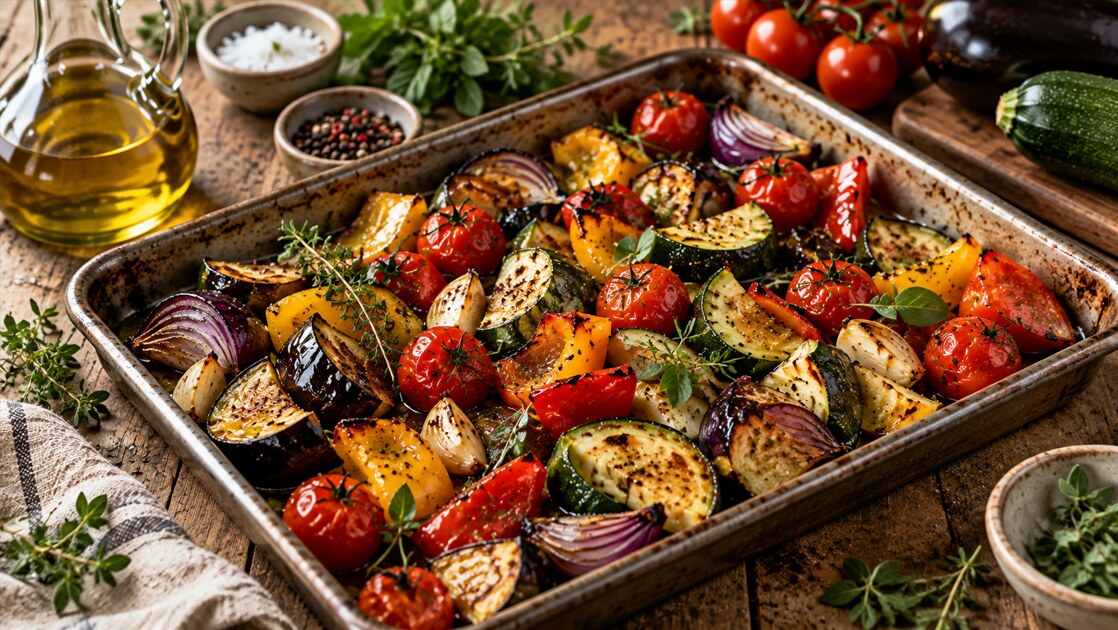
Mediterranean Roasted Vegetables with Extra Virgin Olive Oil
Colourful, aromatic and full of Mediterranean character, these oven-roasted vegetables celebrate simple ingredients and vibrant flavours. Organic extra virgin olive oil brings everything together, while fresh herbs add…
-
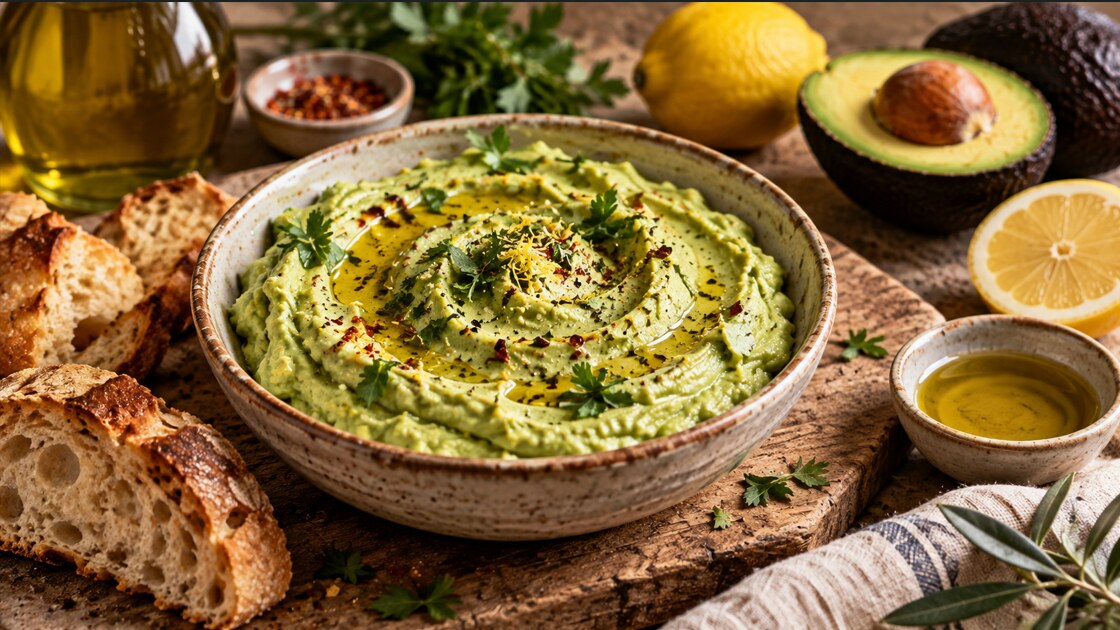
Creamy Avocado & Herb Dip with Extra Virgin Olive Oil
Creamy, fresh and full of Mediterranean flavour, this simple avocado dip combines the smooth texture of ripe organic avocado with the distinctive character of organic extra virgin olive…
-
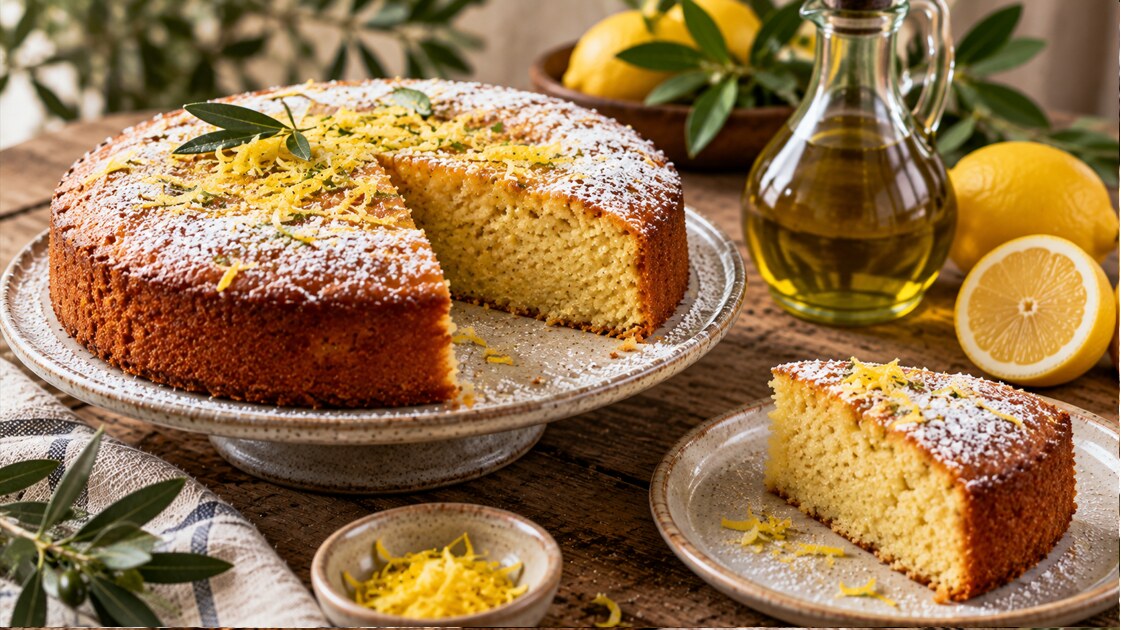
Lemon & Extra Virgin Olive Oil Cake
Moist, fragrant and delicately citrusy, this Mediterranean-inspired cake brings together fresh lemon and organic extra virgin olive oil in a beautifully simple dessert. The olive oil gives the…
NEWS & ACTIVITIES
-
AVOLIO at SIAL Paris 2026: Discover the Excellence of European Organic Products
AVOLIO at SIAL Paris 2026, 17–21 October, Hall 1, Stand A150: discover European organic extra virgin olive oil and organic avocados at Paris Nord Villepinte.
-
Creation of the website
The AVOLIO programme website has been built in four languages, bringing together its information on European organic production and on its two products.